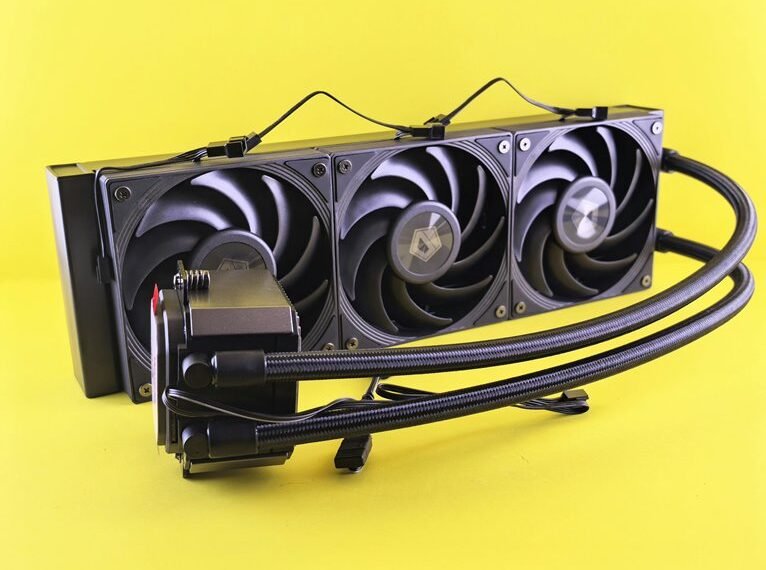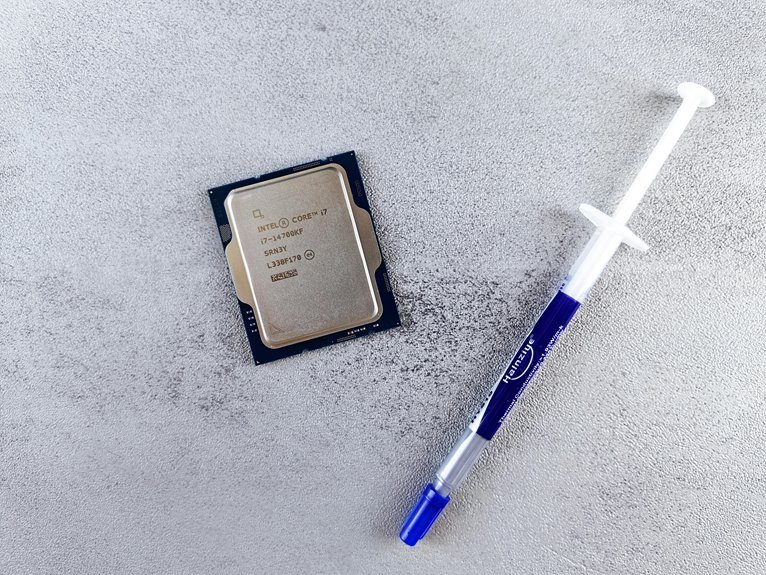
The Smart Digital Core 824206577 stands out due to its advanced multi-core architecture, which significantly enhances processing speeds. Its energy-efficient design not only maximizes performance but also reduces operational costs. Despite its strengths, there are notable scalability and integration challenges that warrant examination. As the landscape of AI and machine learning evolves, the implications of these factors on the core’s future capabilities remain an intriguing subject for analysis.
Key Features of the Smart Digital Core 824206577
The Smart Digital Core 824206577 stands out as a pivotal component in modern digital infrastructure, characterized by its robust architecture and advanced processing capabilities.
Key specifications include a multi-core design, high clock speeds, and energy-efficient performance.
This innovative technology facilitates seamless integration and scalability, catering to diverse applications while ensuring reliability and flexibility, meeting the demands of an evolving digital landscape.
How the 824206577 Optimizes Performance in Real-World Applications
Leveraging its multi-core architecture, the Smart Digital Core 824206577 enhances performance across various real-world applications.
Its design prioritizes real-time processing capabilities, allowing for swift data handling essential in dynamic environments.
Additionally, the core achieves notable energy efficiency, reducing power consumption while maintaining high operational output.
This combination positions the 824206577 as a formidable solution for demanding tasks requiring both speed and sustainability.
Comparing the Smart Digital Core 824206577 to Competitors
When evaluating the Smart Digital Core 824206577 against its competitors, several key performance metrics emerge that highlight its advantages and potential drawbacks.
Performance benchmarks indicate that the 824206577 excels in processing speed and energy efficiency compared to rivals.
However, competitor analysis reveals weaknesses in scalability and integration capabilities, suggesting that while it leads in certain areas, improvements are necessary to maintain a competitive edge.
Future Prospects: What’s Next for Smart Digital Technology?
As the landscape of smart digital technology continues to evolve, future prospects for innovations beyond the Smart Digital Core 824206577 become increasingly significant.
Emerging trends indicate a shift towards greater integration of artificial intelligence and machine learning, enhancing data processing capabilities.
Technological advancements will likely facilitate more autonomous systems, enabling unprecedented operational efficiency and user autonomy, thus redefining the future of smart digital applications.
Conclusion
In summary, the Smart Digital Core 824206577 stands out for its impressive processing capabilities, efficient energy consumption, and adaptability for real-time applications. While it faces scalability and integration challenges, its architectural advantages position it favorably against competitors. As the landscape of technology evolves, the core’s commitment to performance and efficiency suggests promising avenues for future developments in AI and machine learning. Thus, the Smart Digital Core 824206577 not only meets current demands but also paves the way for innovation ahead.